Alaska Court Rules Against Logging in America’s Largest National Forest
Timber and logging companies lost their effort to increase production after a court shot down their effort to log Tongass National Forest.
# Alaska Court Rules Against Logging: What the Tongass Decision Means for Your Wallet and the Environment
There's a reason this matters to you right now: the Alaska court rules against 2026 logging expansion in Tongass National Forest, potentially affecting timber prices, construction costs, and the future of one of America's most crucial carbon-absorbing ecosystems. If you're planning a home renovation, buying wood products, or simply care about environmental policy shaping the next decade, this landmark decision deserves your attention.
Last month, a federal court dealt a significant blow to timber and logging companies seeking to dramatically increase production in Tongass National Forest—a sprawling 17-million-acre wilderness in Southeast Alaska that represents the largest temperate rainforest in the United States. The ruling upheld a 2001 ban on road construction in the forest, effectively blocking the industry's most ambitious expansion plans and setting a powerful precedent for public lands management across the country.
## Why Tongass Matters More Than You Think
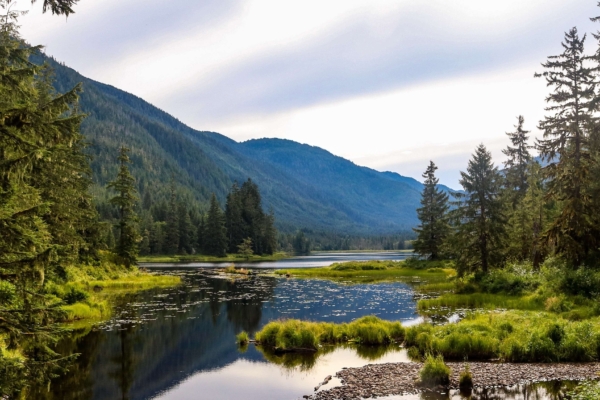
Tongass National Forest isn't just another patch of trees. It's the largest temperate rainforest in North America, home to ancient Sitka spruce and hemlock trees that have stood for centuries. The forest serves as a critical carbon sink, storing approximately 8% of all carbon sequestered in U.S. forests despite occupying less than 1% of the nation's forest land. For perspective, that's equivalent to taking roughly 800,000 cars off the road for a year.
The outdoors news 2026 coverage has largely focused on timber industry frustrations, but the broader implications affect consumer behavior, real estate, and environmental policy nationwide. Tongass supports salmon fisheries worth hundreds of millions annually, tourism that sustains Southeast Alaska's economy, and indigenous communities who have stewarded these lands for millennia.
Logging companies argued that increased timber production was economically necessary for rural Alaska communities. The industry contended that the 2001 roadless rule—which prohibits new road construction in designated areas—unfairly restricted their access to approximately 9 million acres of commercially viable timber. However, the court sided with environmental groups and Alaska Native communities who argued that the ecological and economic value of the standing forest far exceeded timber extraction benefits.
## What This Means for Construction, Housing, and Wood Prices
Here's the consumer-facing reality: timber markets may face continued pressure in the short term. Alaska has historically supplied a modest but consistent portion of the nation's softwood timber. While the court decision won't dramatically spike lumber prices—most American timber comes from Pacific Northwest operations and Southern pine forests—it does signal that regulatory protections for old-growth forests are likely to tighten nationally.
If you're planning construction projects, renovations, or purchasing wood products, expect potential price volatility and an increased emphasis on sustainably sourced materials. Major retailers and builders are already responding to consumer demand for certified sustainable lumber, which typically costs 10-20% more than conventional alternatives.
The Alaska court rules against 2026 expansion represents a larger trend: consumers increasingly value environmental credentials in their purchasing decisions. Look for construction companies and retailers to highlight their commitment to responsible forestry practices—this becomes a selling point rather than an afterthought.
## The Broader Environmental and Political Implications
This ruling reinforces the power of the 2001 roadless rule, a Clinton-era regulation that remains controversial among industry groups and supported by environmental organizations. The decision suggests that future challenges to public lands protections face an uphill legal battle, at least in this circuit.
Alaska court rules against logging expansion also signals judicial skepticism toward broad exemptions for resource extraction on federally protected lands. If you're tracking outdoors news 2026 and environmental policy, expect similar legal battles over mining, drilling, and logging on public lands to intensify.
The timber industry hasn't abandoned their efforts—they're exploring legislative avenues and alternative strategies. However, the court's forceful defense of the roadless rule makes congressional action their most realistic path forward. This means public engagement and advocacy matter: commenting on environmental impact statements, contacting representatives, and supporting organizations aligned with your values can influence outcomes.
## What to Watch and Do Next
If this issue matters to you, here's what to monitor: Congressional activity around Tongass exemptions, broader challenges to the roadless rule in other forests, and the 2026 midterm elections' impact on public lands policy. Supporting organizations like The Wilderness Society or Alaska Native-led environmental groups amplifies your voice.
When purchasing wood products, the best Alaska court rules against logging expansion takeaway is to seek Forest Stewardship Council (FSC) certification, which ensures responsible harvesting. This supports alternatives to old-growth forest logging and creates market demand for sustainable practices.
## Bottom Line
The Alaska court rules against 2026 logging in Tongass National Forest strengthens protections for one of America's most valuable ecosystems while signaling that environmental safeguards on public lands have real staying power. Whether you're a homeowner, builder, investor, or environmental advocate, this decision affects everything from timber supplies to carbon storage to your voice in public lands decisions—making it worth understanding and engaging with thoughtfully.
Source: gearjunkie.com