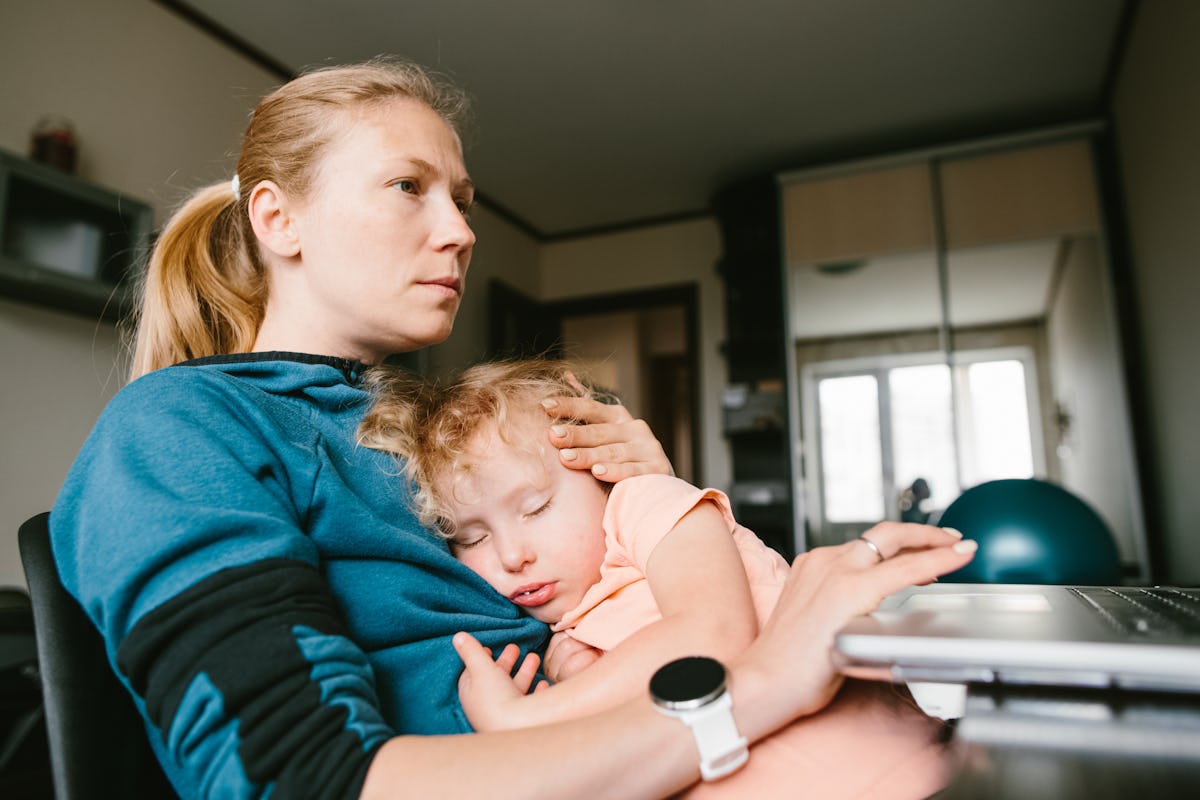
When Kids Get Sick, Working Moms Do The Impossible Math
Kids can catch up to 12 colds a year, and when they do, working moms are often the ones rearranging childcare, work, and doctor visits to figure it all out.
# When Kids Get Sick in 2026: Why Working Parents Need to Act Now
It's Tuesday morning. Your child wakes up with a fever. Within five minutes, you're mentally juggling: Do you call work? Cancel that 10 a.m. meeting? Find backup childcare by noon? For millions of working parents in 2026, this isn't a hypothetical scenario—it's a recurring crisis that happens up to 12 times per year. Recent reporting has exposed just how brutal the math gets when kids get sick, and it's time American families stopped treating illness management like an individual problem and started demanding real solutions.
The stark reality: children catch an average of 12 colds annually, plus stomach bugs, strep throat, and seasonal flu. When kids get sick 2026, working mothers disproportionately shoulder the burden of rearranging entire lives. Fathers take sick days too, but data consistently shows that mothers are the ones managing the logistics, making the calls, and sacrificing their own work responsibilities. This isn't just anecdotal—it's a structural problem that's finally getting the attention it deserves.
## The Numbers: How Often Kids Actually Get Sick
Let's start with the baseline facts. According to pediatric health data, children in school and daycare settings catch between 8 and 12 upper respiratory infections annually. Add in gastroenteritis, ear infections, and other common illnesses, and healthy kids are legitimately sick roughly 10-14 days per year—sometimes more.
That math creates a perfect storm for working parents. Most employers offer 10 sick days annually—and that's if you're lucky. Those days need to cover your own illness *and* childcare coverage when your kids are sick. The American Academy of Pediatrics recommends keeping sick children home for at least 24 hours after fever subsides, meaning a simple cold can wipe out 2-3 days of work. Do the math: 12 colds per year, multiplied by 2-3 days each, and you're already over your annual sick leave before December.
For mothers specifically, research shows they take 64% more sick days than fathers to care for children. This isn't because women are more conscientious; it's because workplace culture, inflexible scheduling, and unequal caregiving expectations push mothers to absorb the disruption.
## When Kids Get Sick: The Real Cost to Working Families
The financial and professional consequences are real. According to recent workplace analysis, parents managing child illness lose an estimated $500 billion annually in lost productivity, missed opportunities, and reduced earnings. For individual families, the impact ranges from missing critical meetings to damaging relationships with managers who view illness coverage as "not a team player" behavior.
Childcare costs add another layer of complexity. Emergency childcare or sick childcare facilities can run $50-$150 per day, and they're often not available when you need them most. Many parents face an impossible choice: lose a day's wages, pay for expensive emergency care, or bring a sick child to work anyway.
Then there's the psychological toll. Parents—especially mothers—report significant anxiety and guilt around illness management. The constant pressure to appear professionally committed while also being an attentive parent creates a cognitive load that studies now link to burnout and health complications.
## Best Practices: When Kids Get Sick Guide for 2026
If you're navigating this reality right now, here's what actually works:
**Build your backup plan before illness strikes.** Identify two trusted neighbors, relatives, or friends who can provide emergency childcare. Have their contact information accessible. Don't wait for a fever to scramble.
**Know your workplace rights.** The Family and Medical Leave Act (FMLA) protects eligible employees, but it's unpaid. Check your employee handbook for paid family medical leave policies—some progressive employers now offer it.
**Invest in reliable telemedicine.** Virtual pediatric visits can diagnose strep, ear infections, and other conditions without office visits. Services like Amwell, Doctor on Demand, and most major insurance plans offer this. It saves time and money.
**Keep emergency supplies stocked.** Fever reducers, throat lozenges, saline spray, and comfort items shouldn't require a sick-day pharmacy run.
**Have honest conversations with your employer.** Some companies offer flexible work arrangements or compressed schedules. Request them specifically for illness management.
**Consider health insurance options that cover in-home visits.** Some plans now partner with services that send nurses to your home, reducing transportation time and keeping sick kids comfortable.
## What's Changing in the Parenting News 2026
Several states and companies are finally recognizing this crisis. Some progressive employers now offer "family sick days"—paid leave that covers child illness specifically. A few states have proposed paid family medical leave policies that include childcare illness coverage. It's not universal yet, but momentum is building.
The CDC and American Academy of Pediatrics are also updating guidance on return-to-school policies, moving away from overly strict restrictions that force extended time off work. These changes matter.
## Bottom Line
When kids get sick in 2026, the burden still falls disproportionately on working mothers—but you don't have to face it alone or unprepared. Build a backup childcare network now, know your workplace rights, use telemedicine when possible, and don't hesitate to ask your employer about flexible illness policies. The best when kids get sick strategy combines practical preparation with honest conversations about what your family actually needs.
Source: scarymommy.com